Human Adaptive Evolution
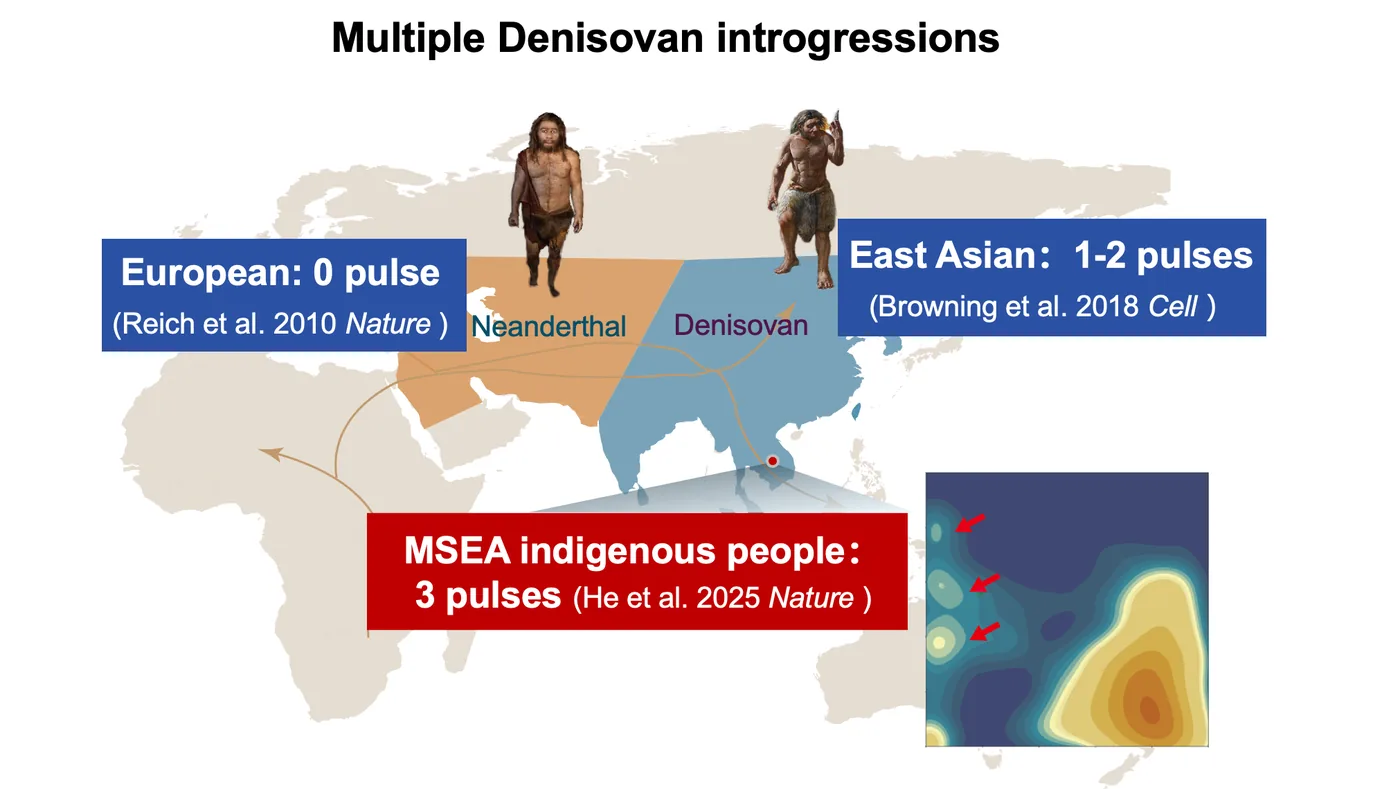
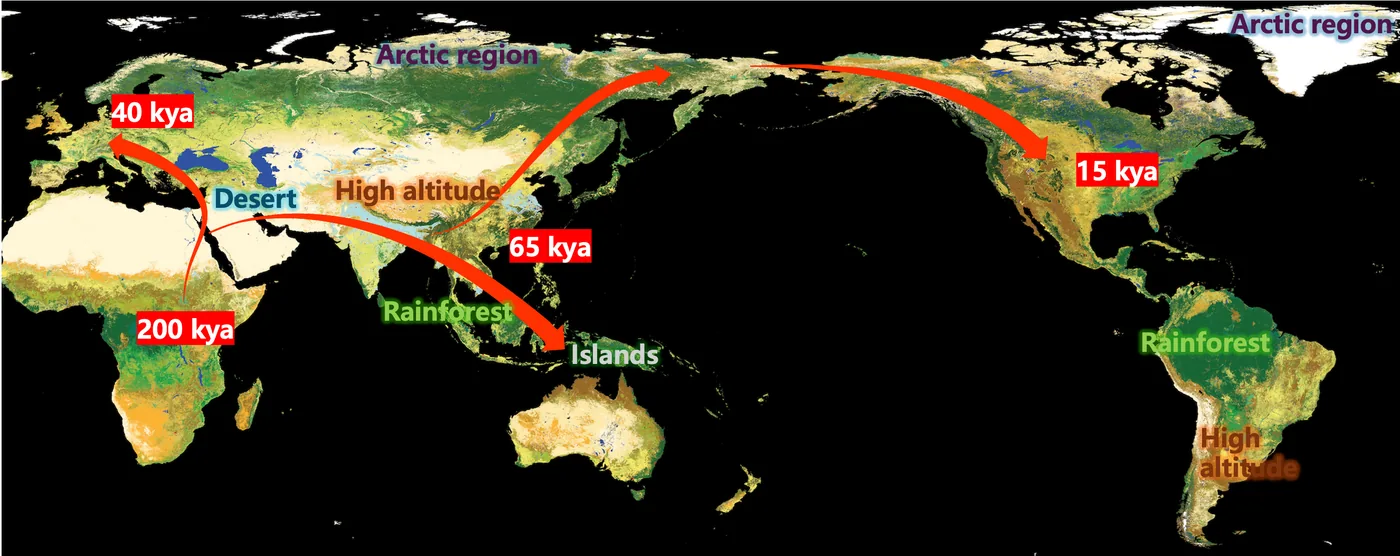
Modern humans originated in Africa ~200,000 years ago and dispersed globally over the past 100,000 years, colonizing diverse and extreme environments. During this process, natural selection, population migration, admixture, and archaic introgression (e.g., Neanderthals and Denisovans) shaped human genomic diversity. Our research focuses on uncovering the genetic basis of human adaptive evolution and how environmental pressures drive phenotypic diversity and genome evolution.
Genomic Diversity
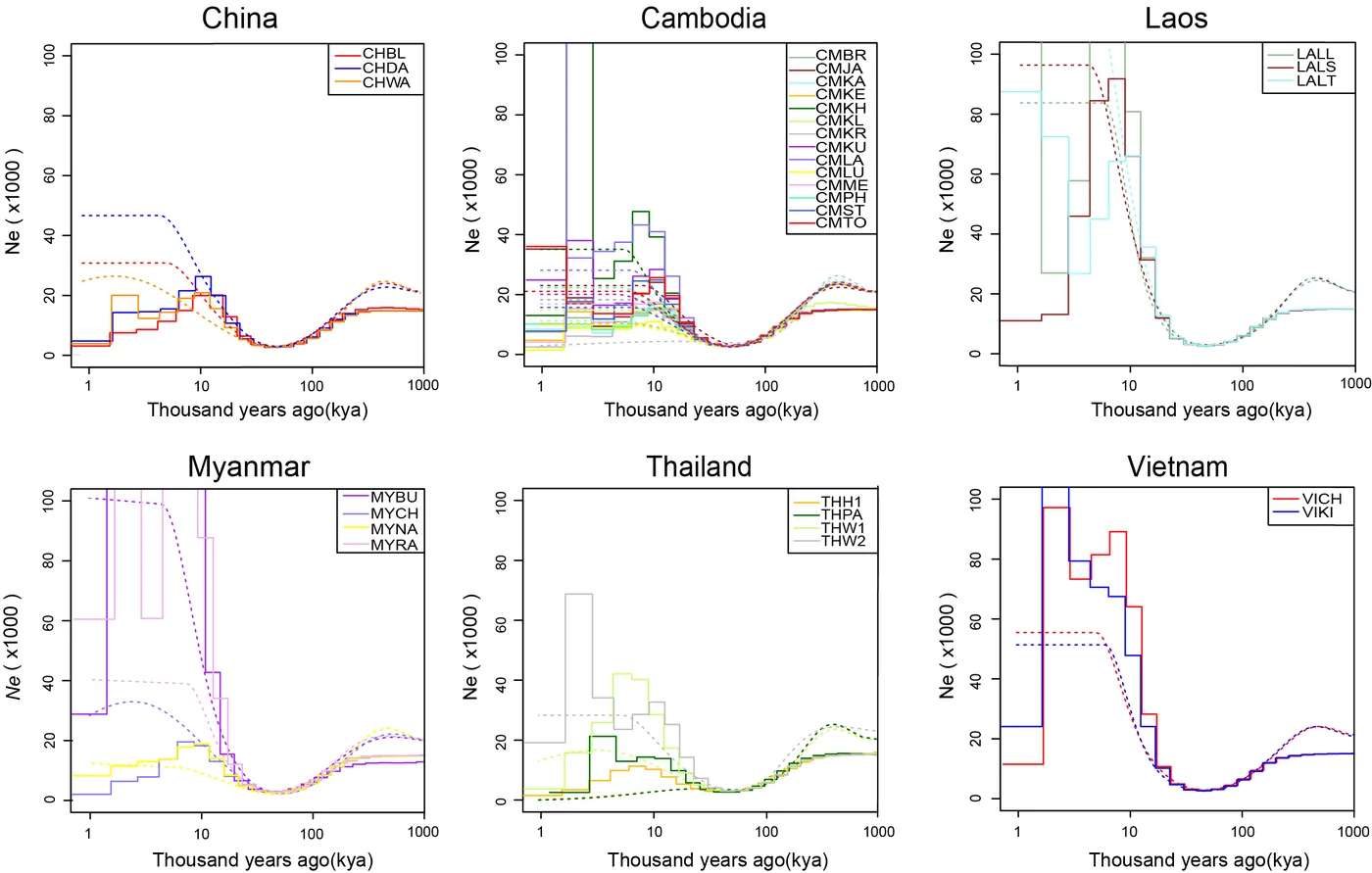
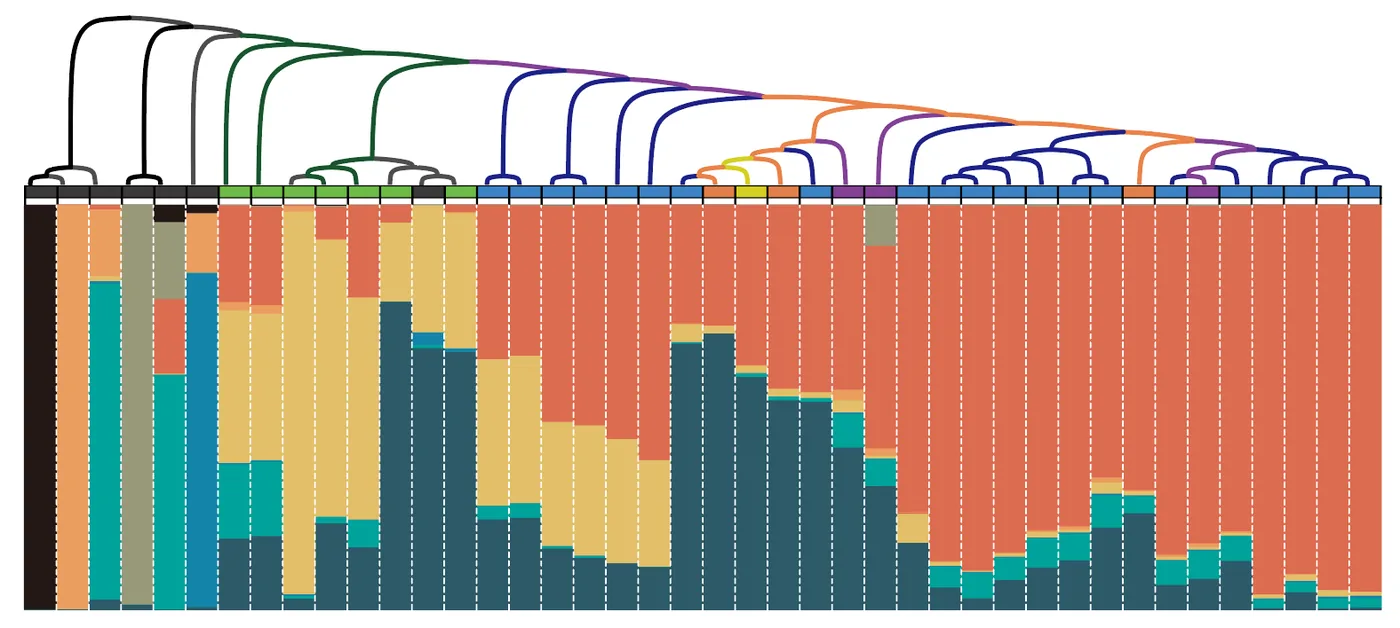
Southeast Asia harbors exceptional genetic diversity and complex environmental pressures—including heat, humidity, and high-pathogen load—yet many underrepresented populations in this region remain poorly captured in current genomic references. To address this gap, we integrate large-scale genomic data with advanced resources such as T2T genomes and pangenomes to systematically characterize diverse forms of genomic variation, ranging from SNVs and indels to structural variants (SVs) and complex SVs, including large inversions, tandem repeats, and multi-allelic CNVs. This work aims to provide a more complete view of human genomic diversity and its evolutionary significance.
Adaptive Evolution
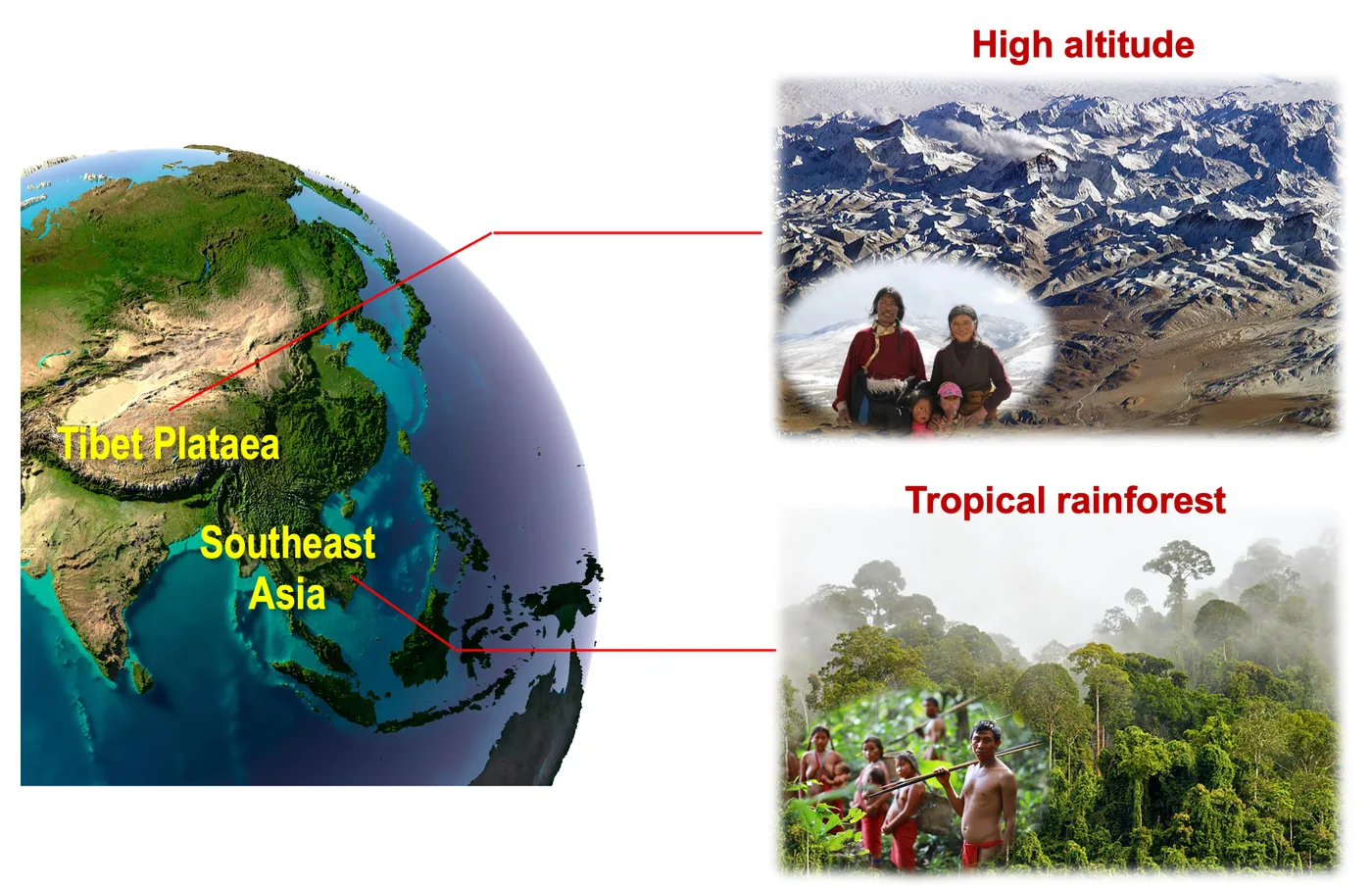
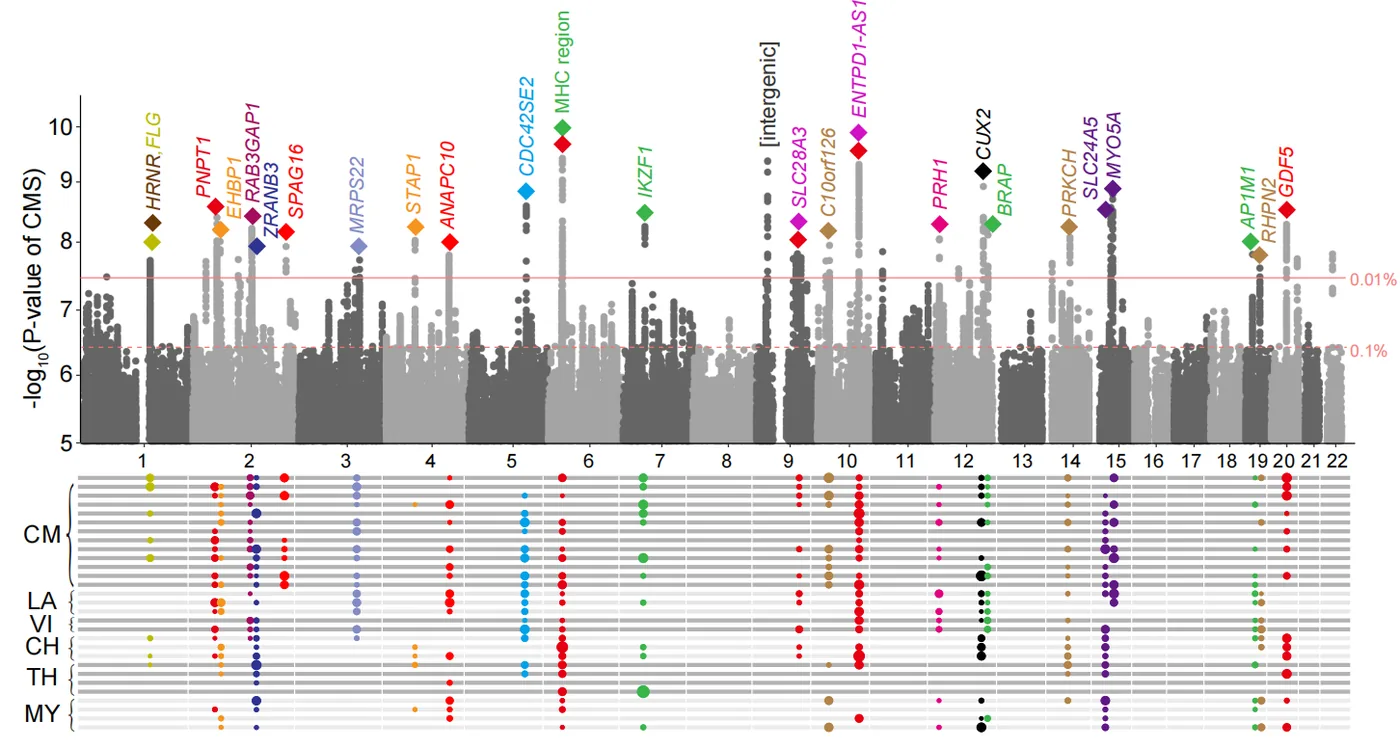
Southeast Asia and the Tibetan Plateau harbor exceptional genetic diversity and complex environmental pressures. To investigate adaptive traits, we analyze large-scale genomic data and integrate phenome-wide and disease-focused analyses with GWAS, linking genetic variation to complex traits and disease susceptibility. A key focus is understanding how polygenic selection on genetic variation, along with natural selection, shapes adaptive variation and facilitates the identification of causal variants. We further employ functional genomics approaches—such as MPRA, iPSC-derived systems, organoid models, and animal models—to validate candidate variants and elucidate their biological effects and evolutionary significance.
Population History
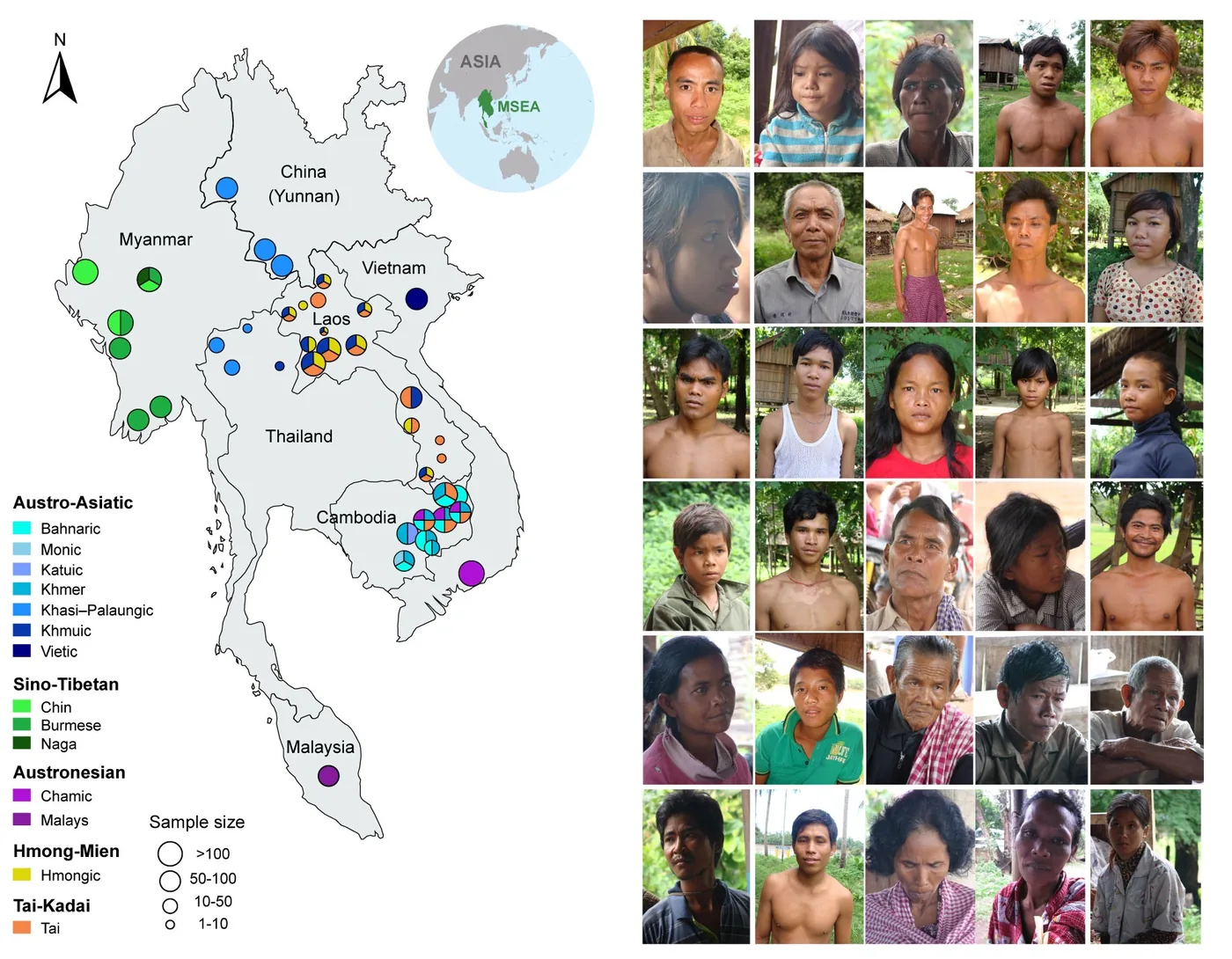
Southeast Asia and Southwest China are key regions for understanding human evolutionary history, having been shaped by dynamic processes of population origin, migration, and admixture under diverse environmental pressures. By integrating large-scale modern genomic data with ancient DNA (aDNA), we reconstruct fine-scale demographic histories and trace population movements across temporal and geographic scales. In particular, we investigate the extent and functional significance of archaic introgression, evaluating how gene flow from archaic hominins has contributed to genetic diversity and local adaptation in these regions. This integrative framework provides new insights into the complex interplay between deep ancestry, migration dynamics, and adaptive evolution across Southeast Asia and the Tibetan Plateau.